
In October 2025, the national conference Race in Prisons: learning from the past, shaping the future, marked a deeply significant moment for the Zahid Mubarek Trust. More than 230 people came together in central London to honour the 25th anniversary of Zahid’s racist murder.
The conference was not only an act of remembrance, but a collective reckoning.
It created space to confront painful truths about how racial equality in prisons has repeatedly been promised, postponed, and neglected, and to ask difficult questions about why meaningful change remains so fragile. Above all, it reaffirmed a shared commitment to meaningful accountability and commitment to turn principles into everyday practice: inside prisons, at the national level, and beyond the spotlight.
The future will not be shaped by hope alone. It will be shaped by people who stay, who organise, who challenge, and who hold the line when attention moves elsewhere. This is how momentum became movement: Movement for Race Equality in Prisons.
The Movement is built on the Manifesto for Race Equality: a powerful vision of what an effective, evidence-led and visionary work on race equality can look like in practice. Rooted in lived experience and collective wisdom, it dares the prison service to move beyond words, reimagine what is possible, and commit to race equality as a lived reality rather than a distant policy aspiration.
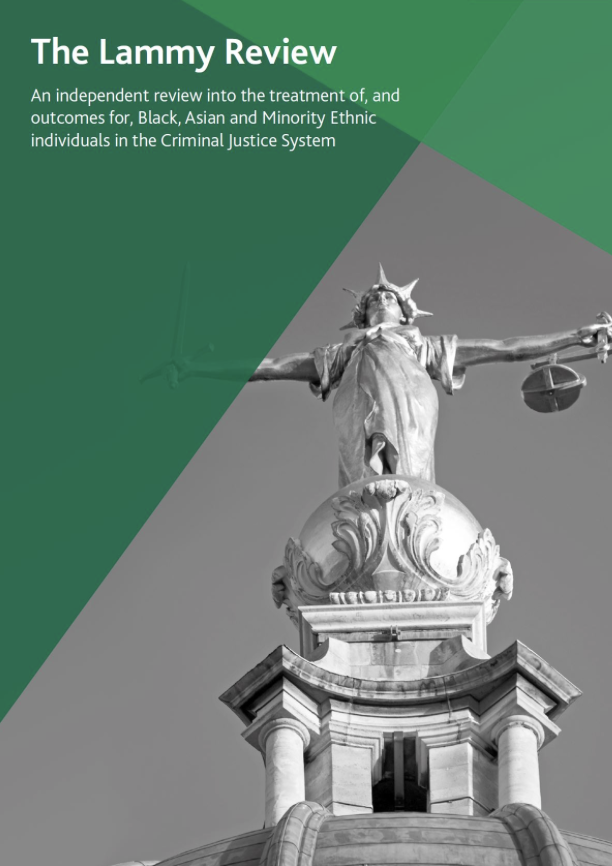
“The way individuals are treated in prison affects their chances of rehabilitation in tangible and intangible ways. Tangibly, access to opportunities like training courses, prison jobs and behaviour management programmes affects offenders’ ability to cope without reoffending when they leave prison. Intangibly, the extent to which prisoners believe they are treated fairly in prison has proven links both to their behaviour in custody and their likelihood of reoffending once released.”
The Lammy Review 2017
Manifesto on race equality in prisons
Fair treatment in prison is central to making prisons decent and humane so that they can keep prisoners safe and support the process of rehabilitation. When prisoners face unfair treatment, they are likely to lose trust in authority and disengage from staff. This sharply reduces the chances that prisoners make the progress in custody required to reduce their risk of reoffending on release. Unequal access to education, work, or progression blocks opportunities for change, while experiences of dignity and fairness build the confidence and motivation needed for successful resettlement. As the Lammy Review stressed, fairness is not optional: it is a driver of rehabilitation.
The prison population is more racially diverse with significant over representation of Black, Asian and Minority Ethnic people. The complexity of this racial and ethnic mix of prisoners highlights the importance of consistent Race Equality practices and policies in prisons. There are three key reasons for prioritising race equality in prison
We call for renewed
Ambition
- HMPPS to publish a Racial Equality Strategy for prisons which sets out a clear vision of how the prison service provides true racial equality for prisoners and staff.
Action
- Establish meaningful and direct engagement with specialist organisations working in prisons, including lived experience individuals, through an independent scrutiny group.
- Embed race equality and diversity training, co-designed with specialist organisations, into all areas of staff development. All courses, from initial training for prison officers to leadership programmes, should include a focus on race and equality.
- Set out clear mandatory actions for achieving race equality in prisons and specify measurable performance targets on all the key area (use of force, adjudications, IEP, discrimination complaints, access to activities and categorisation), both for HMPPS HQ, and for prisons.
Accountability
- Regularly publish progress updates on performance against the race equality targets (use of force, adjudications, IEP, discrimination complaints, access to activities and categorisation) in the HMPPS Annual Report.
- Publish the results of equality impact assessments showing how the service has considered race equality issues when developing national policy.
Steering Group Members
The group currently comprises five core members who are responsible for establishing the strategic priorities for the first 12 months and for developing the framework to expand both the Steering Group and the wider membership of the Movement.

Beverley Thompson OBE
Beverley is a former senior civil servant and Race Equality Advisor at HM Prison Service (2004 – 2009) and worked as an independent consultant in 2018 on a Lammy Review-related project for HMPPS...

Dr Kimmett Edgar
Kimmett is a former Senior Research Officer at the Oxford Centre for Criminological Research and was Head of Research at the Prison Reform Trust. His major work, Prison Violence: the dynamics of conflict, fear and power...

Paul Cavadino
Paul is a British criminal justice expert and author known for his extensive work on penal policy, criminal justice reform, and youth justice. He spent many years at the charity Nacro, serving in leadership roles including...
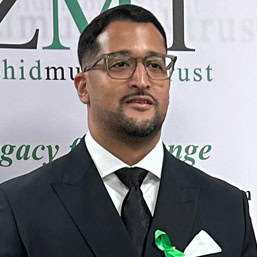
Juan Perea Lopez
Juan is a qualified Equality Advocate and an emerging leader in race equality, prison reform, and lived-experience-led change. Juan has been engaged with the ZMT since 2023, first while in custody and...
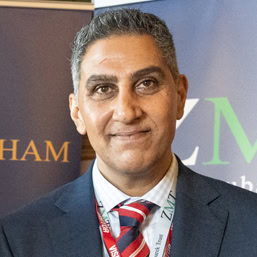
Imtiaz Amin
Imtiaz is the uncle of Zahid Mubarek and founder of the Trust. Imtiaz changed his career path to become a spokesperson for the Mubarek family and pursue answers following the death of his nephew. As Co-director...
Movement for Race Equality in Prisons
What does the Movement stand for?
This is our collective commitment to the Manifesto on Race Equality in Prisons:
to stand up for race equality, because it is the responsibility, we all share.
How the Movement Works
The Movement for Race Equality in Prisons is a collective of individuals and organisations committed to turning the principles of the Manifesto for Race Equality in Prisons into everyday practice. It is powered by collaboration, guided by evidence, and driven by lived experience.
A Steering Group, coordinated by the ZMT, will be established by January 2026. The Steering Group will consist of individuals and organisations who are independent from the prison system.
The Steering Group will:
- Set strategic priorities aligned with the Manifesto.
- Scrutinise the progress on race equality work at the national HMPPS level.
- Publish an independent annual review of the Race Equality in Prisons.
- Engage with the members of the Movement meaningfully and regularly.
- Publish position papers highlighting progress and areas of concern.
- Bring together data, testimonies, and lived experience to inform national policy and practice.
- Ceate a digital network for sharing learning, resources, and updates.
- Enable opportunities for co-production and partnership between prisons and community organisations.
Building a National Voice
The movement will connect people who care about race equality in prisons: practitioners, prisoners, families, and community advocates.
This is how we turn momentum into movement and movement into change.
This is not a campaign that ends when the spotlight fades.
It is a sustained, living movement grounded in action, partnership, and accountability.
Together, we will ensure that the Manifesto for Race Equality in Prisons is not just implemented but embedded.
Because race equality is not optional.
It is the foundation of justice, and the measure of our collective humanity.

Ready to join?
"*" indicates required fields